
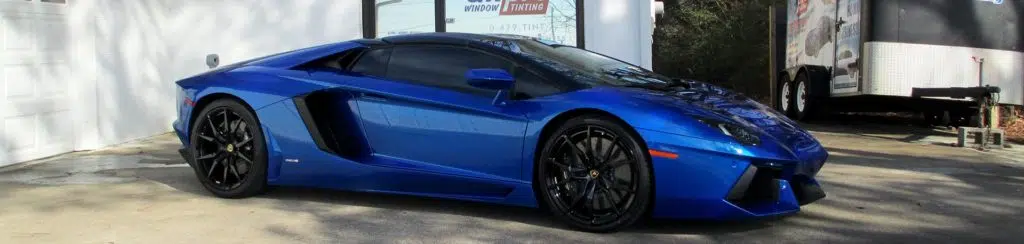
When fall arrives, the sun drops lower in the sky and sends blinding glare directly through your windshield and side windows at eye level. Atlanta Fall Glare Window Tinting Glare reduces that glare significantly, making fall and winter driving safer and more comfortable every single day.
Most Atlanta drivers think about window tinting in July. That makes sense. The heat is brutal, the steering wheel burns, and you are sweating before you leave the parking lot. But here is something that does not get talked about enough: fall is actually when glare becomes its most dangerous, and most drivers have no protection against it at all.
At All Pro Window Tinting, we see an uptick in appointments every October and November, and a lot of those customers come in saying the same thing. They had not thought about tinting all summer, and then one morning driving into work the sun hit them so hard they could barely see the road. That is not a coincidence. That is fall sun physics.
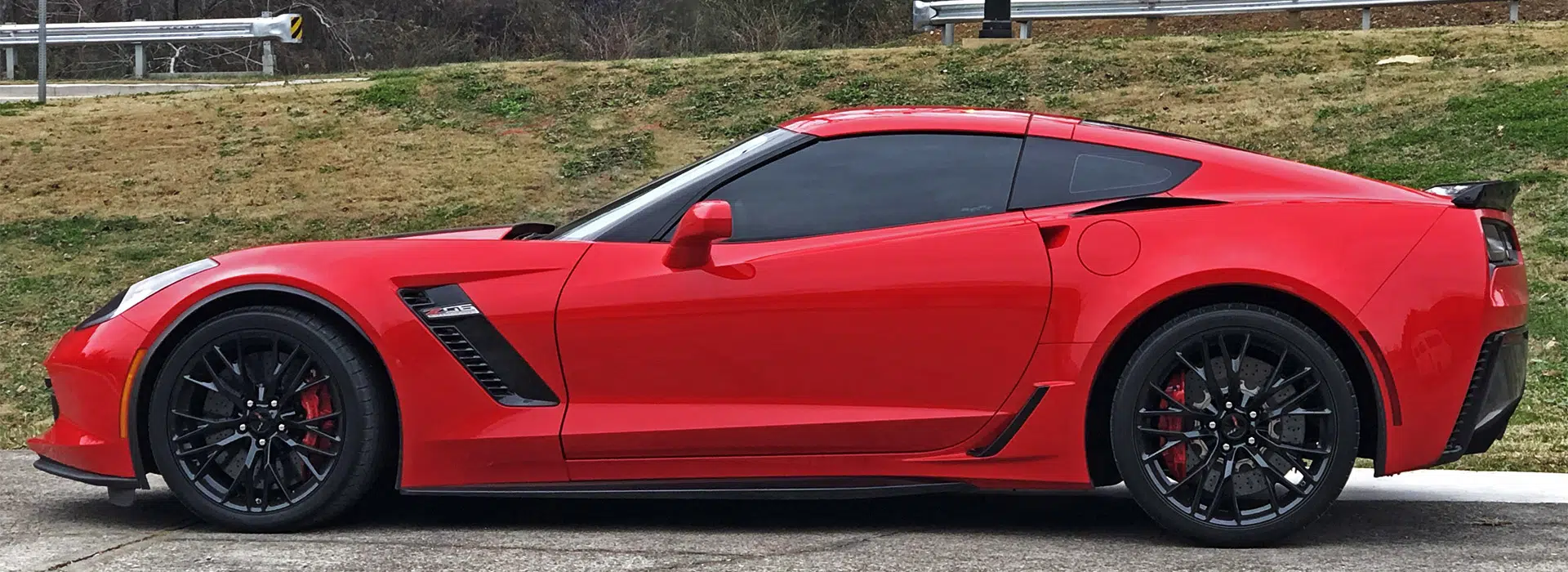
More About Atlanta Fall Glare Window Tinting
Why the Fall Sun Creates More Glare Than Summer
In the summer, the sun is high in the sky. At peak hours, it comes down at a steep angle, hitting the roof and hood of your car more than your windshield. Glare is manageable because your visor can block most of it, and the angle keeps it out of your direct line of sight.
In fall and winter, the sun’s arc flattens out. By October in Atlanta, the sun sits much lower on the horizon, and it stays there for more of the day. Instead of coming down from above, it comes straight at you, directly into your windshield and side windows at eye level. Your visor is not built to handle that angle. Neither are your eyes.
Sunrise and sunset times matter here too. In summer, you are often on the road after the sun is already high. In fall, more people are commuting during those low-light golden hours when the angle is at its worst. Morning commutes on I-285, I-75, and GA-400 become a daily battle against blinding light from late October through February.
What Glare Actually Does to Your Driving
Glare is not just uncomfortable. It is a real safety issue. Studies consistently show that sun glare is a contributing factor in a significant number of accidents, and the risk is highest during those low-angle morning and late-afternoon windows.
When intense light hits your unprotected eyes, your pupils cannot adjust fast enough. You lose contrast, depth perception suffers, and the time it takes you to react to a brake light or a pedestrian increases. On a highway at speed, that fraction of a second matters.
The problem is compounded in fall because drivers are often caught off guard. You drove the same route for months without issue. Then one October morning the sun has shifted and suddenly you are squinting and leaning sideways trying to find a sliver of visibility. It happens fast and it keeps happening every single morning until the days get longer again.
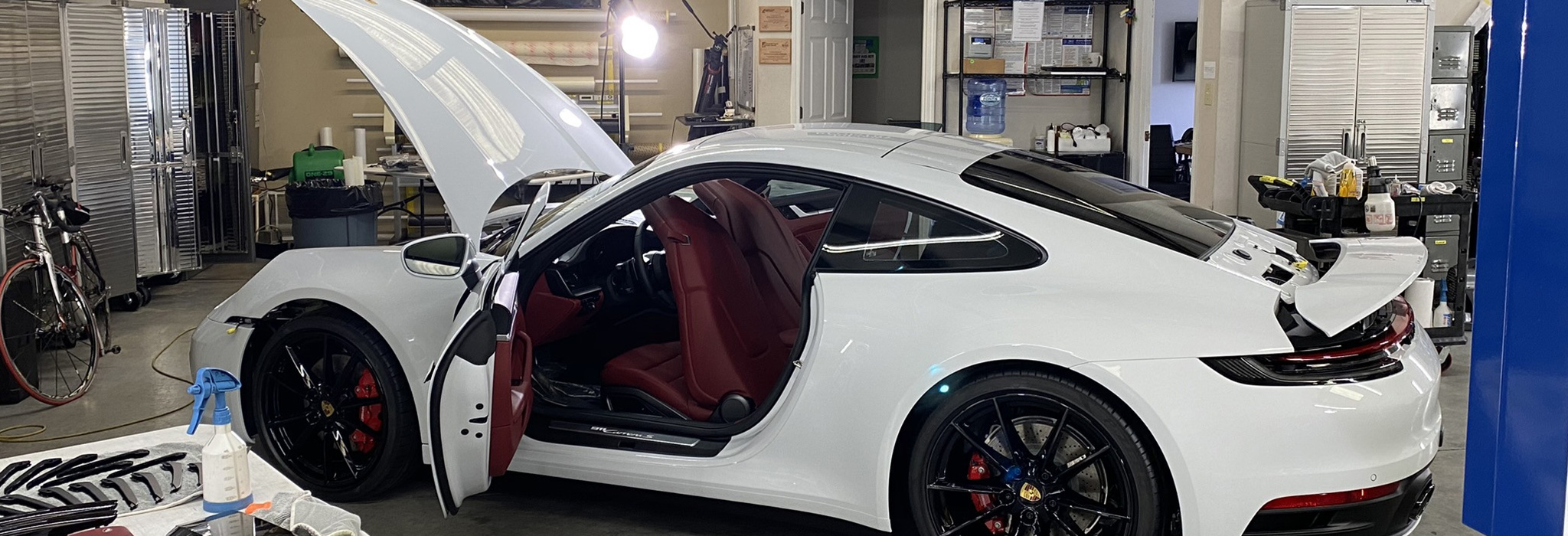
How Atlanta Fall Glare Window Tinting Glare Helps
Quality window film does not just block heat. It filters the intensity of incoming light, reducing glare without distorting your view or making your windows too dark to see through clearly. That distinction matters because a lot of drivers assume tinting means driving in the dark. It does not.
At All Pro Window Tinting, we carry four film options, and all of them address glare as part of their core performance.
Our Black film from the Huper Optik Xtreme line is the entry point. It reduces incoming light intensity, cuts glare meaningfully, and holds its color over time without fading or shifting. For drivers who want straightforward protection without a significant investment, it gets the job done.
Our Black Ceramic film takes performance further. It rejects up to 65% of total solar energy and carries the Autobahn No-Hassle Limited Lifetime Warranty. The ceramic construction handles glare and heat more efficiently than standard dye film, and it does it without interfering with your phone signal, GPS, or any of your vehicle’s electronics.
Our Autobahn i3 Ceramic film is the top-tier option. It combines ultra-low reflectivity with advanced multi-layer ceramic technology, which means it manages both the intensity and the angle of incoming light more effectively than standard films. If you drive a route with consistent low-sun exposure in the morning or late afternoon, this is the film that makes the biggest daily difference.
Our PhotoSync film takes a different approach entirely. It is photochromic, which means it adjusts its tint level based on how intense the light is at any given moment. In direct fall sun, it darkens to maximize glare protection. In lower light conditions, it lightens to maintain clear visibility. For drivers whose commutes take them from shade into direct sunlight repeatedly, PhotoSync responds in real time in a way static films cannot.
Atlanta Fall Glare Window Tinting Glare Season Is Here — This Is the Right Time to Act
There is no bad time to install window film, but fall is genuinely one of the best windows to do it. The worst glare of the year is just starting, temperatures are comfortable for installation, and you are not waiting in a summer queue. You can walk in, get it done, and have protection in place before that first brutal November morning commute catches you off guard.
The film starts working the moment it is installed. There is no break-in period, no adjustment. You drive out with better visibility than you drove in with.
Frequently Asked Questions
Does atlanta fall glare window tinting glare actually reduce glare while driving?
Yes. Window film filters the intensity of incoming light, reducing glare from direct sun, reflections off other vehicles, and low-angle light during fall and winter commutes. Drivers consistently report a noticeable improvement in visibility after installation.
Is fall glare really worse than summer glare in Atlanta?
It is, and it catches a lot of drivers off guard. In summer, the sun is high and your visor handles most of it. In fall, the sun drops to eye level and stays there throughout your commute. The angle is more direct and more sustained, and it coincides with commute hours in a way that summer sun often does not.
What is the best window tint for reducing glare?
Any quality film reduces glare, but the right choice depends on your priorities. PhotoSync is the most adaptive option for varying light conditions. The Autobahn i3 Ceramic offers top-tier performance for consistent sun exposure. Our team at All Pro can help you choose based on your commute and budget.
Will atlanta fall glare window tinting glare make my car too dark to drive at night?
No. Professional window film is available in a range of shades and visible light transmission levels. We work with you to find the right balance between daytime glare protection and nighttime visibility. Georgia law also sets minimum VLT requirements, and we install only films that comply.
How long does window film last on a car in Atlanta?
High-quality professionally installed film typically lasts the life of the vehicle with proper care. All of the film lines we carry are backed by manufacturer warranties. If anything changes, we stand behind our work.
Can I get atlanta fall glare window tinting glare done quickly before the fall glare season peaks?
Yes. Most full-vehicle installs at All Pro are completed in a single appointment. Call us or schedule online and we will get you in.
Stop Squinting Through Your Windshield This Fall
The low fall sun is not going away until spring. Car window tinting in Atlanta is the fix that works every morning, on every route, without a visor flip or a squint. At All Pro Window Tinting, we serve the entire Atlanta metro area including Marietta, Kennesaw, Alpharetta, Woodstock, Canton, Roswell, Acworth, and beyond. Call us at (770) 400-9103 or visit allprowindowtinting.com to schedule your appointment and get a free quote.